
Houston sees more traffic crashes than any other city in Texas – over 65,000 reported crashes a year, or roughly 180 every single day, according to the Texas Department of Transportation’s Crash Records Information System. If you were hurt in a Houston crash, the legal deadlines and settlement factors covered in our Texas car accident guides apply the same way they would anywhere else in the state – what’s different in Houston is the scale of the problem and a handful of local patterns worth knowing.
Why Houston’s Roads Are Especially Dangerous
Houston’s crash volume isn’t just a function of its size. TxDOT data shows Houston records more than double the annual crashes of Dallas without having double the population, which points to something specific about the city’s roads and driving conditions rather than population alone. A few contributing factors show up consistently in TxDOT’s data:
- Speeding and distracted driving are the two dominant causes, together accounting for a large share of Houston’s total crash volume, tracking closely with national patterns where speeding contributes to roughly a third of all traffic fatalities.
- The freeway system carries enormous volume. I-10, I-45, US-59, and the 610 Loop rank among the busiest corridors in the country, and heavy congestion on routes like US-59 during peak hours contributes to both rear-end collisions and higher-speed crashes when traffic does move.
- The city’s sprawl means most trips require a vehicle, keeping traffic volume consistently high across a much larger geographic area than most major cities.
- Certain intersections see disproportionate crash volume. Law firm analyses of TxDOT crash data have repeatedly flagged high-traffic intersections near major shopping corridors and freeway interchanges, particularly where retail traffic merges with freeway access points, as sites of repeated collisions.
Traffic deaths in Houston reached a recorded high in recent years, with TxDOT and Harris County data both showing an upward trend even as total crash counts have stayed roughly flat – meaning a smaller number of crashes are resulting in more serious injuries and fatalities, not fewer.
What This Means for Your Claim
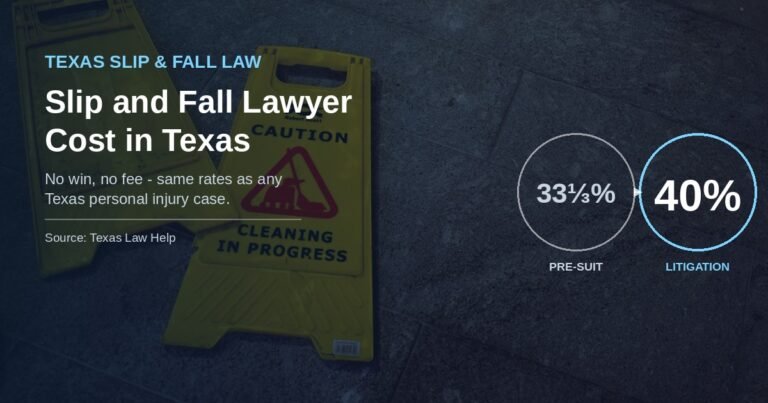
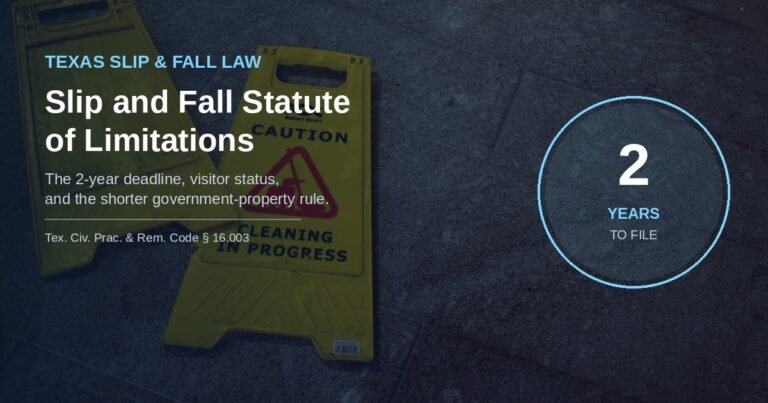
None of this changes the legal deadlines or settlement mechanics covered elsewhere on this site – Houston crashes still fall under the same two-year statute of limitations, the same 51% comparative fault rule, and the same contingency fee structure as anywhere else in Texas. What Houston’s crash data is useful for is context: if your accident happened on a known high-crash corridor or at an intersection with a documented history of collisions, that pattern can support your case when establishing how the crash happened, particularly in disputed-fault situations.
Your claim will typically be handled in Harris County, which has one of the busiest court systems in the state – a factor that can affect how long a disputed case takes to resolve if it doesn’t settle before litigation.
What to Do If You’re in a Houston Car Accident
The core steps don’t change based on which Texas city you’re in – check for injuries, call 911 if the crash meets Texas’s reporting threshold, document the scene, and get medical attention promptly. Given how frequently Houston’s freeways see secondary collisions after an initial crash, getting off the active roadway safely, if you’re able to, matters more here than in lower-traffic areas.
Frequently Asked Questions
What are the most dangerous roads for car accidents in Houston?
TxDOT crash data and independent analyses consistently point to Houston’s major freeways, including I-10, I-45, and US-59, along with a number of high-traffic intersections near retail and freeway-access corridors, as sites of repeated crashes. Specific rankings vary by data source and year, so treat any single “most dangerous” list as directional rather than exact.
Does it matter which Houston intersection or freeway my accident happened on?
Not for the legal deadlines or fault rules, which apply uniformly across Texas. It can matter as supporting context for your case, particularly if the location has a documented crash history relevant to establishing how the accident happened.
Is a Houston car accident claim handled differently than one elsewhere in Texas?
The underlying law is the same statewide. The practical difference is usually court capacity and scheduling in Harris County, and, if your claim goes to litigation, the specific practices of Houston-area courts and insurers.
How common are hit-and-run accidents in Houston?
Houston’s high crash volume includes a meaningful share of hit-and-run incidents, which is part of why uninsured motorist coverage matters as much in Houston as anywhere in Texas, if not more given the sheer traffic volume involved.
This article is for general informational purposes and does not constitute legal advice. Crash statistics are drawn from TxDOT reporting and third-party analyses of that data, and figures can vary slightly by source and reporting period. Consult a licensed Texas attorney regarding your specific case.