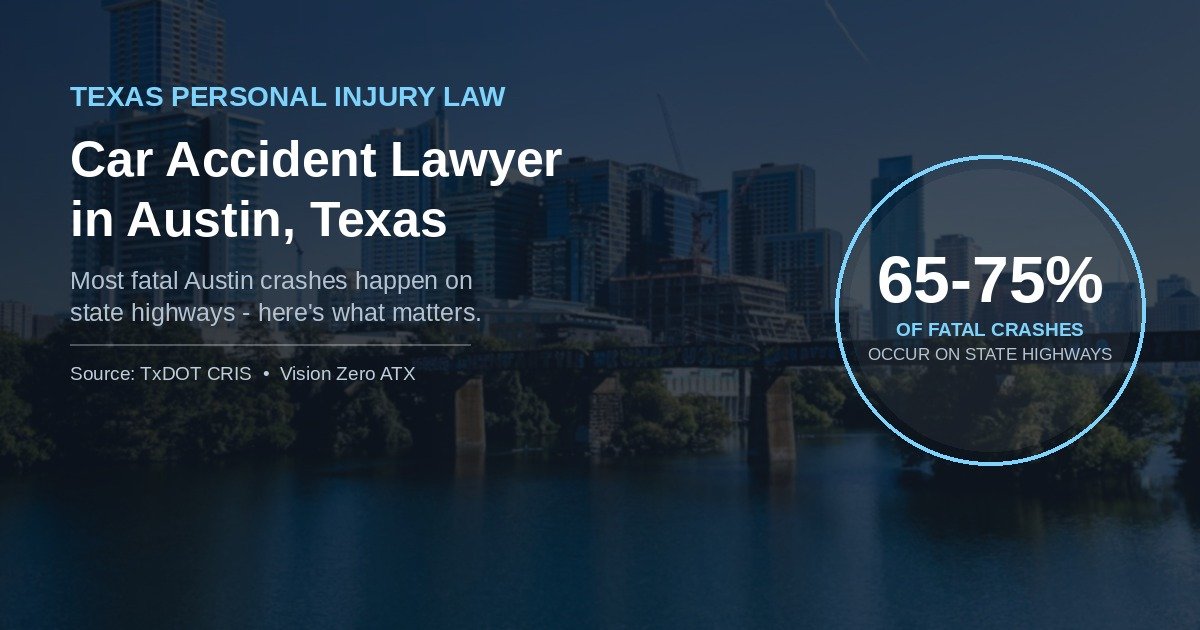
Most of Austin’s deadliest crashes don’t happen on quiet neighborhood streets – TxDOT data shows roughly 65-75% of fatal crashes in Austin occur on state-owned highways like I-35, US-183, and MoPac (Loop 1), where speeds stay high even when traffic is heavy. If you were hurt in an Austin crash, the Texas legal deadlines, fault rules, and settlement factors covered elsewhere on this site apply exactly the same way – what’s worth understanding locally is where and why Austin’s crashes happen.
Why Austin’s Growth Has Made Its Roads More Dangerous
Austin’s population growth has consistently outpaced its road infrastructure, and the data reflects it. Recent Vision Zero and TxDOT-sourced reporting point to a few consistent patterns:
- Speed is the single largest contributing factor, involved in roughly a quarter of all local fatal crashes, and congestion doesn’t eliminate the risk – high-speed stretches of I-35 and US-183 see serious crashes even during heavy traffic periods.
- Intersections account for a large share of crashes, roughly 40% by some analyses, with driver inattention and failure to yield on left turns as the two most common causes.
- I-35 in particular has a documented history of repeated fatal crashes in specific corridors. One stretch through north Austin saw 10 fatal crashes and 14 deaths in just a few years, according to Austin Police Department data reported by local news.
- Distracted driving contributes to a meaningful share of crashes as well, consistent with the statewide pattern covered in our what to do after a car accident guide.
Total crash counts for Austin vary noticeably depending on the source and exactly what’s being counted (city limits versus Travis County, all reported crashes versus a narrower subset), so treat any single headline number with some caution. What’s more consistently reported: Austin’s fatality count has stayed in the range of roughly 90-100+ deaths in recent years, and the city has been described in multiple analyses as ranking among the deadlier major Texas cities for traffic fatalities per capita, despite Houston and Dallas having far higher total crash volumes.
What This Means for Your Claim
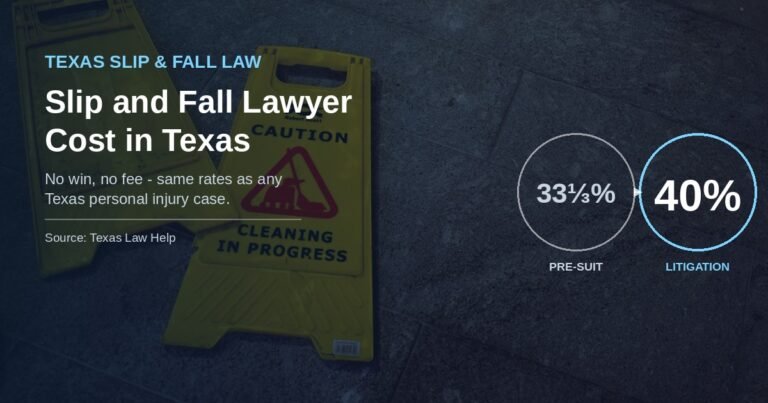
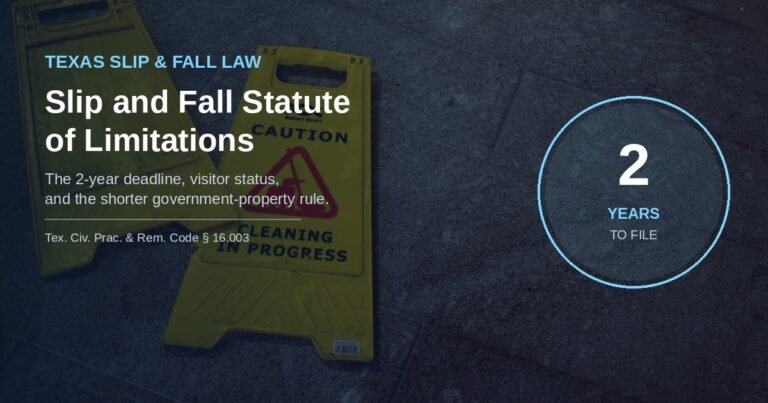
The legal mechanics don’t change based on which Texas city you’re in – the same two-year statute of limitations, the same 51% comparative fault rule, and the same contingency fee structure apply whether your crash happened in Austin, Houston, or a small town in between. Where Austin’s crash data becomes useful is in cases involving a known dangerous corridor or intersection – a documented history of prior crashes at the same location can support your account of how the accident happened, which matters most in disputed-fault situations.
Austin-area claims are typically handled in Travis County, and ongoing infrastructure projects and construction zones along corridors like I-35 add another variable worth documenting if a construction zone contributed to your crash.
Frequently Asked Questions
What are the most dangerous roads for car accidents in Austin?
I-35, US-183, MoPac (Loop 1), and SH 130 are consistently identified in TxDOT and Vision Zero data as the corridors carrying the most serious crashes, largely due to high speeds combined with heavy congestion.
Does construction on I-35 affect accident claims?
It can. If a construction zone, missing signage, or unclear lane markings contributed to your crash, that’s a factor worth documenting early, since it can affect liability beyond just the other driver.
Are intersection accidents common in Austin?
Yes. Roughly 40% of Austin crashes occur at intersections according to city and TxDOT-sourced analyses, with driver inattention and improper left turns among the most frequent causes.
Is an Austin car accident claim handled differently than elsewhere in Texas?
The underlying law is identical statewide. The practical difference is usually court scheduling and local practices in Travis County, along with the specific crash patterns and road conditions unique to Austin.
This article is for general informational purposes and does not constitute legal advice. Crash statistics are drawn from TxDOT reporting, Vision Zero ATX, and third-party analyses of that data; figures vary by source, year, and reporting scope. Consult a licensed Texas attorney regarding your specific case.