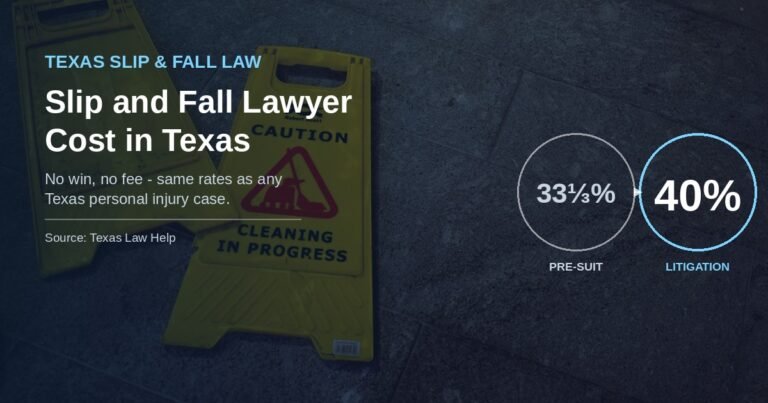
Florida car accident lawyers work on contingency, typically 33⅓% of your recovery if the case settles before a lawsuit answer is filed, rising to 40% if it settles after litigation begins. Unlike most states, this isn’t just industry custom – it’s an actual ceiling set by The Florida Bar’s Rule 4-1.5, and a lawyer who charges more without court approval is presumed to be charging an unethically excessive fee.
Florida Regulates This More Strictly Than Most States
In most states, contingency fee percentages are simply market convention – lawyers tend to charge similar rates because that’s what the market has settled on, not because a rule requires it. Florida is different. Rule 4-1.5(f)(4)(B) of the Rules Regulating The Florida Bar sets specific maximum percentages for personal injury cases, and a fee that exceeds them is “presumed, unless rebutted, to be clearly excessive” – language with real disciplinary teeth behind it. If a Florida lawyer tries to charge a typical car accident client 50%, that arrangement is presumptively improper under the Bar’s own rules, not just unusually high.
The Fee Structure by Recovery Amount
For a case resolved before a lawsuit answer is filed (or before a demand for arbitration, if no answer is filed):
- 33⅓% of any recovery up to $1 million
- 30% of the portion between $1 million and $2 million
- 20% of any portion above $2 million
Once an answer is filed and the case moves into active litigation, the percentage on the first tier increases to 40% of any recovery up to $1 million, with the higher tiers stepping down similarly for larger recoveries. The exact stepped percentages above $1 million in litigated cases can vary based on case specifics, so confirm the precise figures in your own fee agreement rather than assuming they mirror the pre-suit tiers exactly.
For the overwhelming majority of car accident cases, which resolve well under $1 million, the number that matters is simple: 33⅓% pre-suit, 40% if litigation is required.
Why the Percentage Jumps at Litigation
Filing a lawsuit meaningfully changes the firm’s workload and risk. Depositions, written discovery, expert witnesses, and trial preparation cost real money that the firm typically fronts, and cases that go to trial can run the firm $50,000-$250,000 or more in advanced expenses, all of it at risk if the case is lost. The jump from 33⅓% to 40% reflects that shift, not an arbitrary increase.
Fees vs. Case Costs – Still a Separate Line Item
As in most states, the contingency percentage covers legal work, not case costs like filing fees, medical record requests, expert witnesses, or deposition transcripts. Most Florida firms advance these costs and are reimbursed from the settlement afterward. Your written fee agreement is required to state whether costs are deducted before or after the contingency percentage is calculated, so this isn’t something you should have to ask about separately – if your agreement doesn’t clearly spell it out, that’s worth raising before you sign.
In Florida, settlement funds typically arrive as a single check made payable to the law firm’s trust account, which the firm then disburses according to your signed agreement: attorney fees, reimbursed costs, any outstanding medical liens, and your remaining share. This process exists specifically to protect you and ensure every party gets paid correctly according to the terms you agreed to upfront.
You Have a Built-In Cooling-Off Period
One protection Florida gives clients that many states don’t: after signing a contingency fee agreement, you generally have a 3-business-day period to cancel it if you change your mind. This is part of the broader Statement of Client’s Rights for Contingency Fees that Florida requires lawyers to provide before a client signs.
No Recovery, No Fee
The core promise of contingency fee representation holds in Florida the same as elsewhere: if there’s no recovery, you typically owe no attorney fee. Most agreements also address whether advanced case costs are waived if the case doesn’t succeed – confirm this specifically in writing rather than assuming it, since it isn’t automatically part of every agreement.
Does Hiring a Lawyer Actually Pay Off?
An Insurance Research Council study, cited across multiple industry sources, found that claimants represented by an attorney received settlements roughly 3.5 times larger on average than claimants who negotiated on their own, even after attorney’s fees were deducted. Insurance adjusters negotiate injury claims professionally, every day; most people are doing it once, while also dealing with an injury. That gap in experience is a large part of why represented claimants tend to come out ahead even net of the fee.
When to Get a Free Consultation
Since consultations are free and you owe nothing unless the firm recovers money for you, there’s little reason to skip one even if you’re unsure whether your case needs a lawyer at all. If you’re trying to understand what your case might actually be worth first, our guide to average car accident settlements in Florida covers the factors that matter, including whether your injury clears the serious injury threshold that determines whether you can pursue anything beyond PIP. And if a deadline is part of what’s making you hesitate, remember you generally have two years from the accident date to file suit, so there’s usually time to have this conversation without rushing it.
Frequently Asked Questions
Can a Florida lawyer charge more than 40% for a car accident case?
Not without prior court approval. Rule 4-1.5(f)(4)(B) presumes any fee above the standard tiers to be clearly excessive, and a lawyer would need to petition a court to justify a higher fee in unusual circumstances.
Do these fee limits apply to all Florida personal injury cases?
Rule 4-1.5(f)(4)(B) applies broadly to personal injury, property damage, wrongful death, and loss of services claims. Medical malpractice cases are governed by additional, separate constitutional provisions, so don’t assume identical rules apply if your situation involves a healthcare claim.
What happens if I’m unhappy with my fee agreement after signing?
Florida generally gives you a 3-business-day window to cancel a contingency fee agreement after signing. Outside that window, you’d need to discuss terminating the relationship directly with your attorney, and you may owe fees for work already completed depending on the agreement.
Are case costs refunded if I lose my case?
It depends on your specific agreement. Many Florida firms waive advanced costs if there’s no recovery, but this isn’t guaranteed by rule the way the no-fee promise generally is – confirm it in writing before signing.
Is 33⅓% considered a low or standard fee for a straightforward case?
It’s the standard, Bar-sanctioned rate for a case that resolves before a lawsuit is filed, which describes many straightforward, clear-liability crashes. There’s no meaningful “discount” version of this rate to shop for beyond what the rule already sets as the presumptive ceiling.
This article is for general informational purposes and does not constitute legal advice. Fee structures are governed by Rule 4-1.5 of the Rules Regulating The Florida Bar; review your specific written fee agreement and ask questions before signing.